


On Wednesday, it crossed my mind that I could take a quick trip to Rome with my family. By Thursday, we were already on a plane. We skipped the usual routine and all responsibilities—just like that.
While most people think I work 24/7 to achieve the results I have, the truth is… far from it. I’m committed 24/7, but I work when I feel like working. I know how to direct my focus with precision, and I’m able to move from the present moment without needing crystal-clear certainty. Over the years, I’ve refined my efficiency to the point where I can do in 2 hours what most people need 16 for. And with artificial intelligence, I can now afford long weekends like this—where I work without really working, with a calm mind and a stable bank account.
What am I actually talking about?
I’m talking about buying time—the most valuable asset of the modern age.
Anyone who knows me can confirm that I love big things. Big money, big opportunities, big investments. I own shoes, bags, investment gold, and diamonds… but more valuable than all of that: I own freedom. I own a daily life that I design after I wake up. I own days for new memories and nights for relaxing in front of a new cartoon. I own four months a year with my children without a single other obligation—the entire winter and summer school holidays.
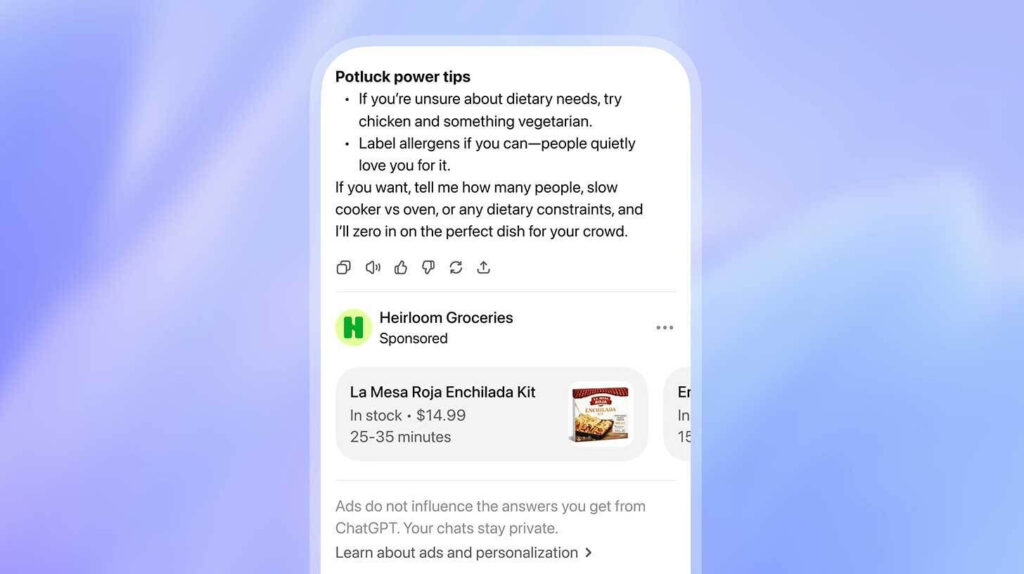
And I know many people say they would give everything to live a life like this—but the truth is, most aren’t willing to give much at all. They’re not ready to sacrifice their comfort, their sense of security, their beliefs, their habits, or their self-sabotaging patterns. And we see this clearly today, a few years after AI became mainstream. Most people haven’t moved beyond using the free version of ChatGPT like a search engine.
And if that’s the case for you—that’s okay.
But you need to understand that it’s just as absurd as buying an iPhone in 2010 and using it only for phone calls.
AI today is PROACTIVE. It doesn’t wait for your instructions. It works on schedules, takes action based on conditions, alerts you when something needs attention, and steps in when necessary. It doesn’t wait for you to finish one task in one chat—it executes multiple parts of a project, and multiple projects, in parallel. And most importantly, agents communicate with each other through multi-agent systems—and you’re not even required if you don’t want to be involved.
So, if you truly want a life on your own terms, you’re standing in front of an opportunity the world has never seen before. But you will have to put in the work. Seriously.
Below, I’m sharing tools that changed my life—so if your intentions toward your own future are genuine, keep reading.
CLAUDE CODE
Initially launched as a tool for developers, but quite accessible to AI-curious business professionals as well. It’s a command-line coding tool that runs in your terminal. You can point it to a file, folder, or codebase, and it can read, create, edit, combine, and organize files, create Google Sheets, reply to emails, and more. Thanks to full access to your system, it understands the entire context of your project—not just a single file. And best of all, it can build commands, agents, and guides in natural language. That means you can literally type: “Hey CC, can you create 5 agents that do X, Y, and Z?”—and it will simply… do it.
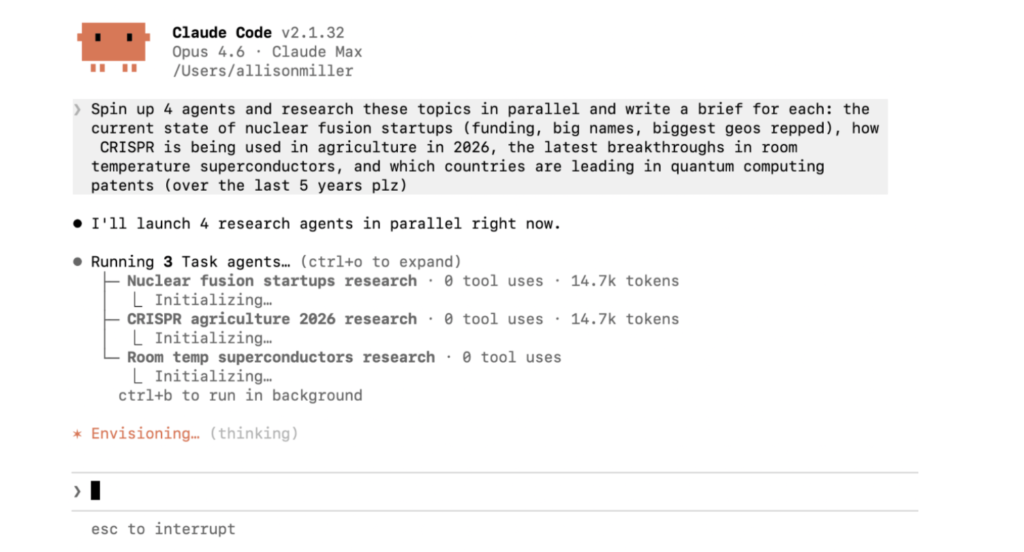
If you decide to try it, be careful about giving access to everything, and be patient with the terminal—which is currently… intimidating (especially if you’re not technical).
CLAUDE COWORK
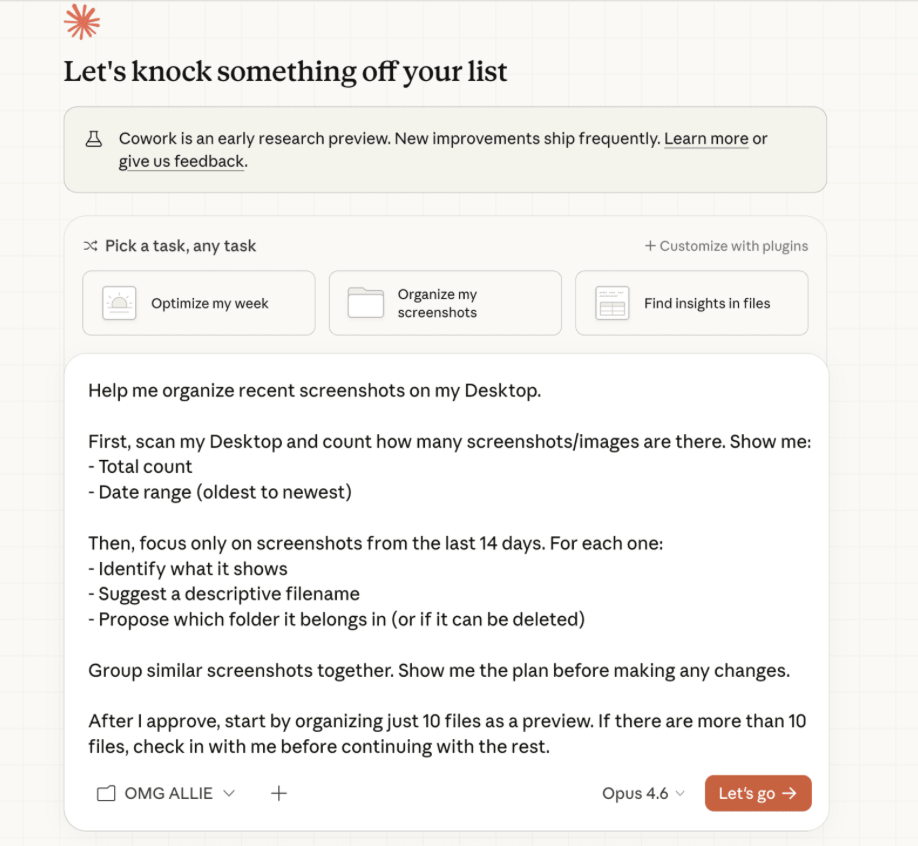
Think of it as Claude Code’s sister. It lives in a desktop app and offers similar autonomous capabilities, but through a friendly visual interface instead of a terminal. If you give it access to a specific folder—or even your entire desktop—it will read, create, and modify files within that space. The best part is its wide range of integrations with other tools, the ability to build specific skills (Claude Skills) tailored to your work, and the fact that it can perform tasks requiring browser access. For example, you can instruct it to find the latest news on a topic every morning, or to fill out client documentation that you simply review and approve.
Fun fact: Claude Code wrote almost the entire codebase for Claude Cowork, allowing the team to launch the product in just 10 days. A tool built a tool—with human supervision and judgment.
OPENCLAW
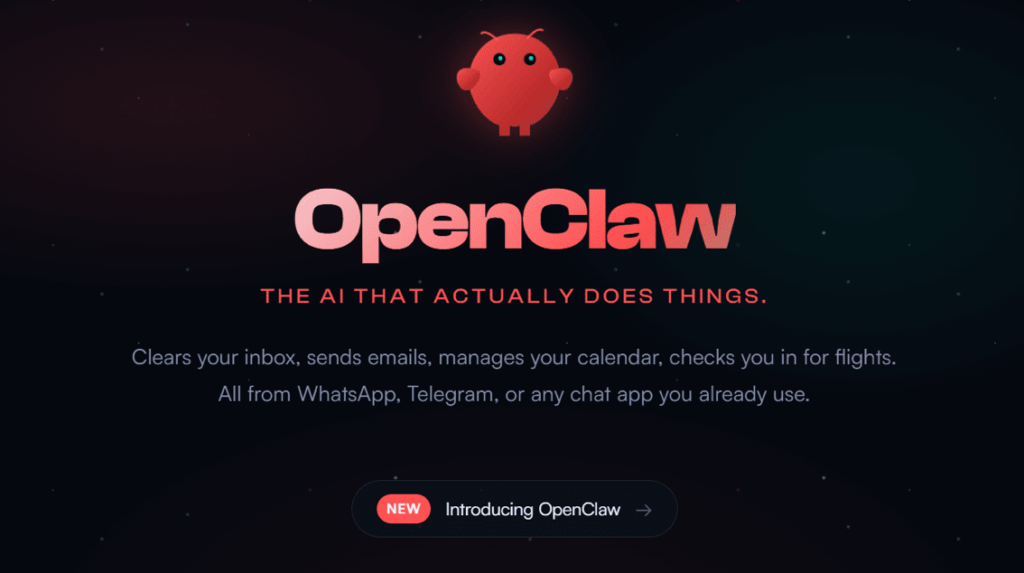
Previously known as Clawdbot, then Moltbot, OpenClaw is an open-source personal AI assistant created by developer Peter Steinberger. It runs locally on your own hardware and connects to your existing messaging apps: WhatsApp, Telegram, Slack, Discord, iMessage, Microsoft Teams, and more. You interact with it like a colleague, and it executes tasks using whichever AI model you choose (Claude, GPT, DeepSeek, or even local models).
Three things set it apart from basic AI: persistent memory (it remembers past conversations for weeks and adapts to your habits), computer access (it can control files, run commands, browse the web, and manage smart home devices), and proactive behavior (it operates on a “heartbeat” schedule, taking action every 30 minutes without waiting for instructions).
Setup isn’t simple. It requires technical knowledge for configuration, and there are many security concerns. It can even create its own voice and call you randomly. In one case, it spent $3,000 on Udemy courses to learn something it needed to complete a task. I’m not joking.
WHAT NEXT?
Choose one platform. If you don’t have a technical background, I suggest starting with Claude Cowork. Talk to it about your business, your daily tasks, your obstacles, your struggles, and your advantages—then ask how it can help you save at least one hour per week. Use it consistently. The agent era is here, and whether you like it or not, it’s not going anywhere. The only way to stay relevant in the job market is to keep learning. And if you start learning daily, expect freedom in the years ahead.
As for OpenClaw: read about it and follow its development, but don’t try to set it up on your own device (even people with technical backgrounds avoid doing that and opt for dedicated machines like Mac mini).
And most importantly: stay curious, and stay informed.
Ajla